
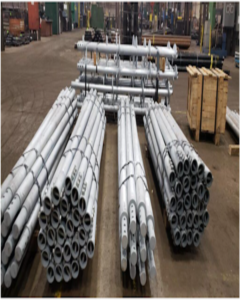
How Much Weight Can Helical Piles Support? Methods and Calculations
Helical piles provide strong and stable foundations, ideal for difficult terrains or industrial applications. To ensure a secure base, it’s essential to accurately calculate their load capacity. In this blog, we explore three key methods for determining how much weight helical piles can support.
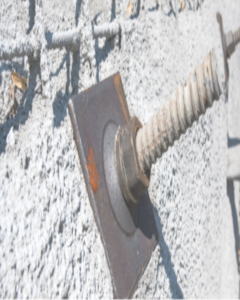
Helical Anchors: An Efficient and Eco-Friendly Alternative to Traditional Anchoring Systems
Are you still using traditional deadweight anchors or large piles? Maybe it’s time for an upgrade. Helical anchors are not only faster to install, but they are also more environmentally friendly and budget-conscious. In this blog, we explore how this technology is making a difference in the efficiency and sustainability of modern structural anchoring.
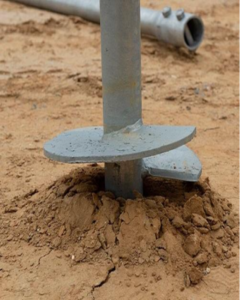
How Helical Piles Save Money in Construction
Helical piles have gained popularity for their efficiency and cost-saving benefits in construction. With their quick installation, resistance to weather conditions, and LEED certification, they are a smart solution for architects, engineers, and developers.
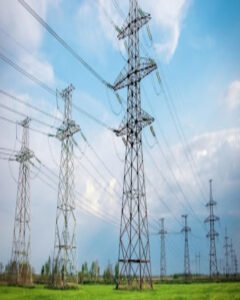
Helical Piles vs Concrete Foundations for Communication Towers: A Technical Comparison
Communication towers require foundations that resist compression, tension, lateral loads, and can be safely constructed in remote locations or areas with limited access. In this blog, we technically compare helical piles and drilled concrete foundations to understand when each system is appropriate and how they impact project timelines, geotechnical risks, and the infrastructure’s lifecycle.
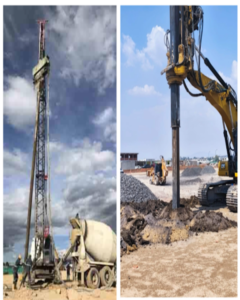
Rammed Aggregate Piers vs Rigid Inclusions: Which is the Best Soil Improvement Solution?
When it comes to building on weak or soft soils, one of the first critical decisions in geotechnical engineering is choosing the right soil improvement technique. Two widely used solutions in this field are rigid inclusions and rammed aggregate piers.
But… which one is the best fit for your project? Which is more cost-effective, faster, or more durable?
In this blog, we’ll walk you through a comparison of both solutions without unnecessary technicalities, helping you choose the best option for your construction needs.
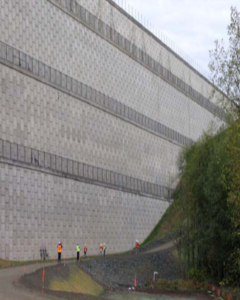
Monitoring MSE Walls with Rammed Aggregate Piers: A Success Case in Texas
The monitoring of mechanically stabilized earth (MSE) walls supported by the Rammed Aggregate Pier (RAP®) system in Texas demonstrates the effectiveness of this technology in soft soils. In this blog, we explore the results from geotechnical monitoring instrumentation and the observed benefits in terms of stability and settlements.