
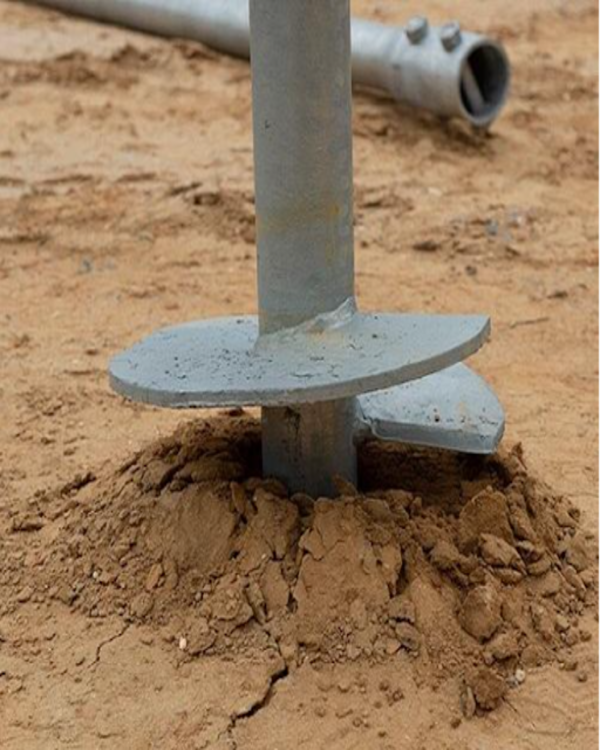
How Helical Piles Can Save You Money in Construction
In recent years, helical piles have revolutionized the construction industry. Their improved design and ease of installation have helped reduce costs and construction times, making them an efficient alternative to traditional foundation systems.
As construction costs continue to rise due to inflation, supply chain disruptions, and increasing demand, finding innovative solutions to optimize budgets without compromising quality is crucial.
If you are an engineer, architect, or developer, understanding the advantages of helical piles will help you make more efficient and cost-effective decisions. Let’s explore why this technology can save you both time and money.
Economic Advantages of Helical Piles
Helical piles stand out for their ability to reduce costs at different stages of construction. Here are the main reasons why:
- More Affordable Mobilization
Unlike other foundation methods that require specialized and expensive machinery, helical piles can be installed with common equipment like hydraulic excavators. This reduces mobilization costs and allows work to begin without delays or high rental fees for heavy equipment.
Additionally, installing helical piles in hard-to-reach spaces is much simpler and more affordable, as bulky machinery is not required.
- Faster and More Efficient Installation
A team of one operator and one assistant can install up to 40 helical piles in a single day, depending on soil conditions. In comparison to other foundation systems that require excavation and concrete pouring, this speed reduces labor costs and machinery rental fees.
Less time on-site means fewer additional costs and greater profitability for the project.
- No Dependence on Weather
Weather conditions can significantly delay construction, especially when traditional methods like concrete foundations are used, which require dry conditions for proper curing.
Helical piles, on the other hand, can be installed in any weather, even in soils with high water content or freezing temperatures. This minimizes interruptions and keeps the project on track regardless of the season.
- Immediate Load-Bearing Capacity
One of the greatest benefits of helical piles is that they can bear loads immediately after installation. Unlike concrete, which requires curing time to reach full strength, helical piles are ready to be used right away, reducing wait times and speeding up project progress.
This represents significant savings in indirect costs and allows you to meet tight deadlines without compromising structural safety.
- LEED Certification and Tax Benefits
Most helical piles manufactured in the U.S. come with LEED certification, meaning they can contribute to a building’s environmental certification.
This not only enhances the sustainability of the project but can also generate economic benefits, such as tax incentives, grants, and reduced maintenance costs.
Some of the LEED credits that can be obtained with helical piles include:
- Materials and Resources: Made with recycled steel.
- Construction Waste Management: Their installation has minimal environmental impact.
- Regional Priority: There are multiple local manufacturers, reducing the carbon footprint of transportation.
Conclusion: A Smart Option to Save on Construction
In a context where construction costs continue to rise, helical piles offer an economic, efficient, and sustainable alternative. Their easy installation, resistance to extreme weather conditions, and immediate load-bearing capacity make them an ideal solution for a wide variety of projects.
If you want to reduce costs and optimize resources without compromising structural quality, consider helical piles for your next project.
By: Ph.D. Carolina Hernández Valerio
References
- Stroyer, B. (2023, July 24). Helical piles can save you money. Here’s how… Ideal Foundation Systems.