
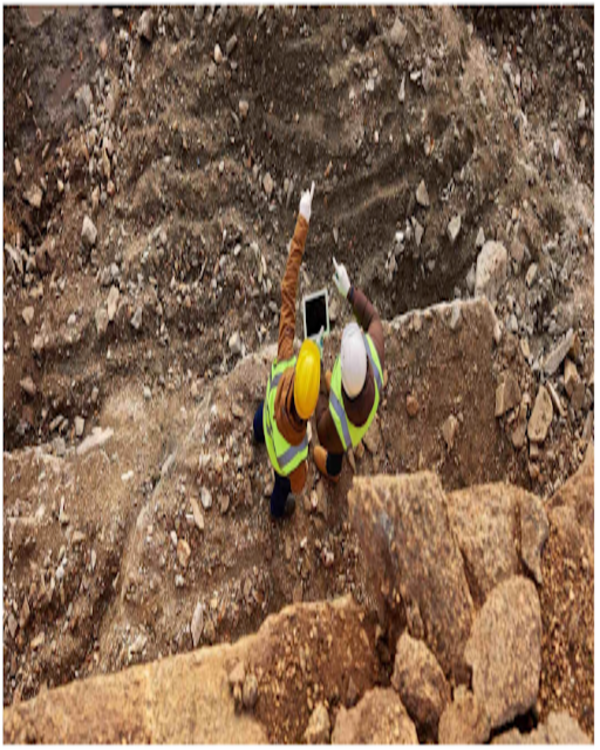
What is Geotechnical Monitoring?
In simple terms, geotechnical monitoring refers to the collection of data on the behavior of the ground and associated structures, such as slopes, tunnels, dams, or buildings. This includes tracking factors such as:
- Ground movements (landslides, settlements, etc.)
- Groundwater pressure
- Vibrations and structural deformations
- Changes in overall ground stability
The primary goal is to identify potential risks or problems before they escalate into major threats. Additionally, monitoring allows for data-driven decisions, which minimizes risks and reduces unnecessary expenses.
When is Geotechnical Monitoring Necessary?
Geotechnical monitoring shouldn’t be taken lightly. There are certain scenarios where its implementation is essential. Here are some key examples:
- Large-Scale Construction Projects
For skyscrapers, tunnels, dams, or bridges, geotechnical monitoring is crucial to assess the impact of construction activities on the surrounding terrain and structures. For example:- Tunnel excavation requires constant monitoring to detect real-time deformations.
- In tall buildings, it’s essential to monitor differential soil settlements.
- Areas with Natural Risks
If the project is located in areas prone to landslides, earthquakes, or flooding, geotechnical monitoring becomes an indispensable tool to anticipate and mitigate disasters. For instance:- On unstable slopes, inclinometers are used to detect soil movements.
- In seismic zones, sensors measure the ground’s response to vibrations.
- Mining or Deep Excavation Projects
In underground mines or large-scale excavations, it’s essential to monitor tunnel stability and avoid collapses that could put workers’ lives at risk. - Maintenance of Existing Structures
Monitoring isn’t just useful during construction; it’s also valuable for already existing structures like dams, roads, or viaducts. For instance, many old dams require constant measurements to prevent structural failures.
Common Tools and Techniques in Geotechnical Monitoring
To carry out effective monitoring, various advanced tools and technologies are used. Some of the most common include:
- Inclinometers: Measure lateral movements of the ground.
- Extensometers: Determine changes in the length of a structure or soil.
- Piezometers: Assess groundwater pressure, which is crucial for slope stability analysis.
- Fiber Optic Sensors: Used to detect deformations and vibrations with high precision.
- Remote Monitoring Technology: Drones and satellites enable quick and efficient analysis of large areas.
Benefits of Geotechnical Monitoring
Why should you consider geotechnical monitoring in your next project? Here are some benefits that make it a smart investment:
- Disaster Prevention: Detecting problems early can save lives and reduce economic damages.
- Cost Optimization: Preventing collapses or unexpected failures reduces repair expenses.
- Regulatory Compliance: Many projects require geotechnical monitoring as part of local regulations.
- Prolonging the Life of Structures: Continuous monitoring ensures structures remain safe and durable.
- Data-Driven Decision Making: Having accurate information allows for proactive actions rather than reactive ones.
Success Stories in Geotechnical Monitoring
Improving Safety in Tunnel Construction for Grand Paris Express, France
Geotechnical monitoring was key to the success of many projects around the world. A standout example during the construction of Line 18 of the Grand Paris Express metro in France, engineers faced the challenge of ensuring safety in a high-risk environment. Installing monitoring equipment in tunnels used to require stopping tunneling machines for hours, exposing workers to additional risks and raising costs. To solve this, the structural consulting firm Sixense collaborated with Worldsensing to implement an innovative approach: embedding sensors directly into the prefabricated concrete segments used to line the tunnels.
This solution allowed real-time monitoring from the moment the lining was placed, reducing risks for engineers and eliminating delays in equipment installation. Additionally, Worldsensing’s data loggers, protected by special casings, provided reliable data on the structural integrity of each segment, immediately detecting deformations or stresses. This technology reduced construction time and effort by up to 25%, significantly improving safety and efficiency.
Environmental Monitoring Innovation at a Landfill in Los Angeles
During a project at a landfill in Los Angeles, Sixense USA implemented a wireless solution to monitor deformations in a geologically unstable area. Using piezometers, clinometers, and movement sensors, real-time monitoring of the ground stability was performed in materials such as siltstone and fractured clay.
Thanks to Worldsensing’s wireless technology, data was collected without frequent site visits, reducing costs, risks, and eliminating issues associated with cabling. This solution ensured efficient environmental control, protecting the surroundings during the landfill development.
Final Reflection
Geotechnical monitoring is not just a technical tool; it’s an indispensable ally for ensuring safety, sustainability, and efficiency in infrastructure projects. Whether you’re building a bridge, a mine, or simply maintaining an existing structure, having the right monitoring system can make the difference between success and failure.
Are you ready to take your project to the next level with geotechnical monitoring? Don’t leave it to chance! Make sure to work with experts and use the best technologies available to ensure optimal results.